Grandad Bluff
La Crosse, WI
Completion
2012
Type
Civic
For more than 100 years, Grandad Bluff has been home to sightseeing, hiking, picnics, family gatherings, and fireworks. As one of the City of La Crosse’s crown jewels, the scenic overlook on top of a 700-foot bluff is a top destination in the tri-state area.
In 2011, it was time for the jewel to be polished.
Before the restoration, dangerous erosion of the observation outlook caused it to be closed in 2007 as safety could no longer be assured. While the plaza remained an option for visitors, the shelter was boarded and the loss of the observation outlook significantly altered the experience and appeal of the location.
Restoring the Granddad Bluff scenic overlook to its original character and beauty was a massive undertaking. Since opening in 1912, the last major improvement project was completed in 1976. This multi-phased project involved stabilization of the site, ADA compliance, historic preservation, and environmental considerations. The result is a park accessible to all to enjoy the boundless beauty of the Mississippi River Valley below.
Phase 1 reinforced the bluff for Phase 2. Soil nail technology stabilized eroding faces. Installation of new retaining walls, paths, patio, and parking lot paving were all engineered to direct the flow of water and reduce erosion.
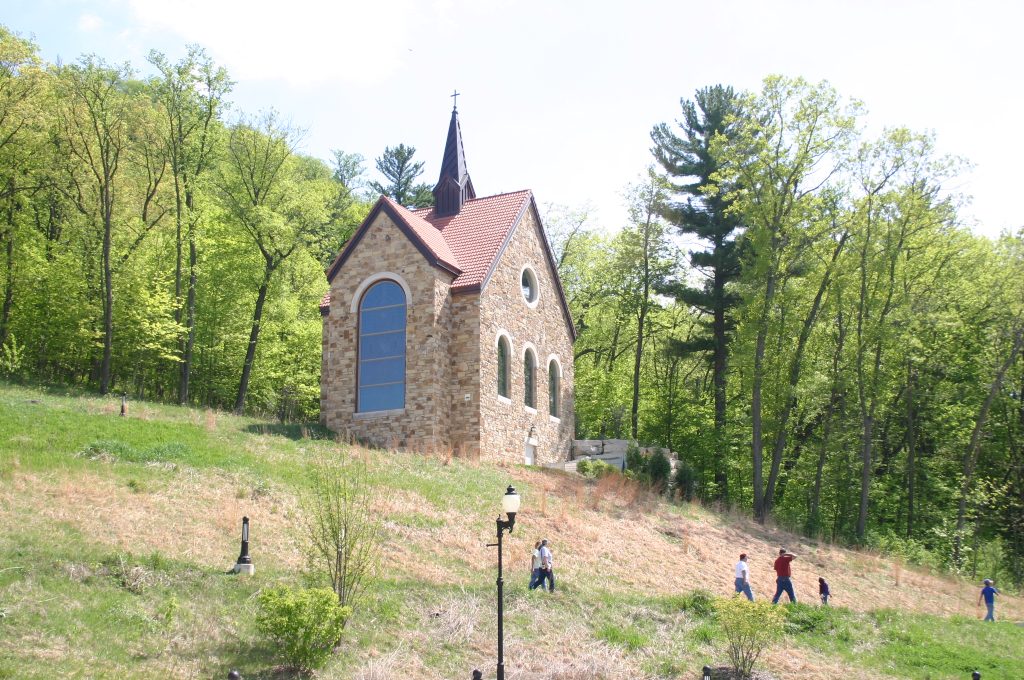
Historic photos and drawings guided the thorough Phase 2 restoration as River Architects brought the 1938 shelter building and surrounding areas into the next century while preserving the aesthetic of the park.
A new observation plaza provides expansive views of La Crosse with seating and fencing as well as pedestrian paths, which are all ADA compliant.
A gently sloping path leads to a fenced viewing area below the main overlook. Densely planted native species aid in the stability of the banks below the park. Only quality materials, such as stainless steel and stone, were used to seamlessly integrate the old and new. Protecting original limestone quarried from Grandad Bluff and timbers was essential and chemical cleaning methods were not used.